





 When it comes to choosing a new car, there are many factors you should take into consideration: make and model, factory options, and price. Another factor that can come into play is whether you are purchasing or leasing a vehicle. Both options have their advantages. Here, we discuss some of the important decisions you’ll have to make when you’re choosing between the two.
Leasing Is Convenient
Leasing a new car means that you’ll only have the vehicle in your possession for a specified amount of time (usually about three or four years). When your lease ends, all you need to do is return the vehicle to the dealership, at which point, you will have the opportunity to begin a new lease with a brand new vehicle.
This fact represents a significant convenience, as it removes the hassle of trying to sell your old car. Leasing also guarantees that you’ll always be driving a relatively new model, which appeals to many customers who are afraid of breaking down.
Leasing Is Cheaper
Leasing a car is a popular option for drivers who feel that purchasing a new vehicle isn’t economically feasible. For one thing, monthly lease payments are typically less than monthly car loan payments. Moreover, most leases include a full warranty. This means that you will generally not be responsible for repair and maintenance costs. And if you do happen to get into an accident, you’ll still have your regular automotive insurance to cover the costs.
For these reasons, leasing a new vehicle may be a cost-effective choice for drivers who can’t afford to buy a new vehicle outright.
Buying Gets You Unlimited Mileage
While leasing a car might be a cheaper option, that isn’t always the case. For example, you may want to consider the distance of your daily commute. Most leases only cover you for 10,000 to 15,000 miles per year. If you regularly exceed this limit, you may end up paying an additional fee in addition to your standard lease charges when you return the car. If you’ve purchased your vehicle instead, you can drive your car as often and as far as you like.
Buying Your Leased Vehicle
While it’s clear that both leasing and buying offer their own advantages, it may be possible to strike a middle ground by purchasing your vehicle after the expiration of the lease. This makes the most financial sense if you have not adhered to the terms of the lease (i.e., if you have exceeded the mileage restrictions or failed to maintain the vehicle). In these circumstances, returning the car to the dealer will probably incur additional charges. Opting to purchase the vehicle instead may be a cost-effective way to avoid these fees while keeping a good car.
When it comes to choosing between purchasing and leasing a new vehicle, there is no one-size-fits-all solution. You should consider your own unique circumstances and determine which approach makes the most sense for your lifestyle and your wallet.
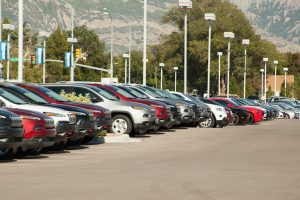
Image “Row of Cars at a Car Dealership” by everycar_listed_photos, used under CC BY-SA 2.0
Connect with us
